
This week we expect the release of Château Latour 2019. For true wine enthusiasts, Latour occupies a unique place in the world of wine – an estate whose consistency, precision and longevity have long served as a global reference point for excellence.
Yet, like all great Bordeaux properties, Latour faces an uncertain future: a world in which consumption patterns are shifting, and climate pressures are mounting.
Metamorphosis
In a recent 1275 analysis, we highlighted the steady global decline in wine consumption rates. The paradox is striking: the greatest wines are being produced with more technical mastery than ever before, yet people are drinking them less often. While the relative production level of Latour remains tiny compared to demand, as perhaps the leading estate of Bordeaux’s left bank, Latour will be considering the metamorphosis of its consumer landscape carefully.
The Disruptor
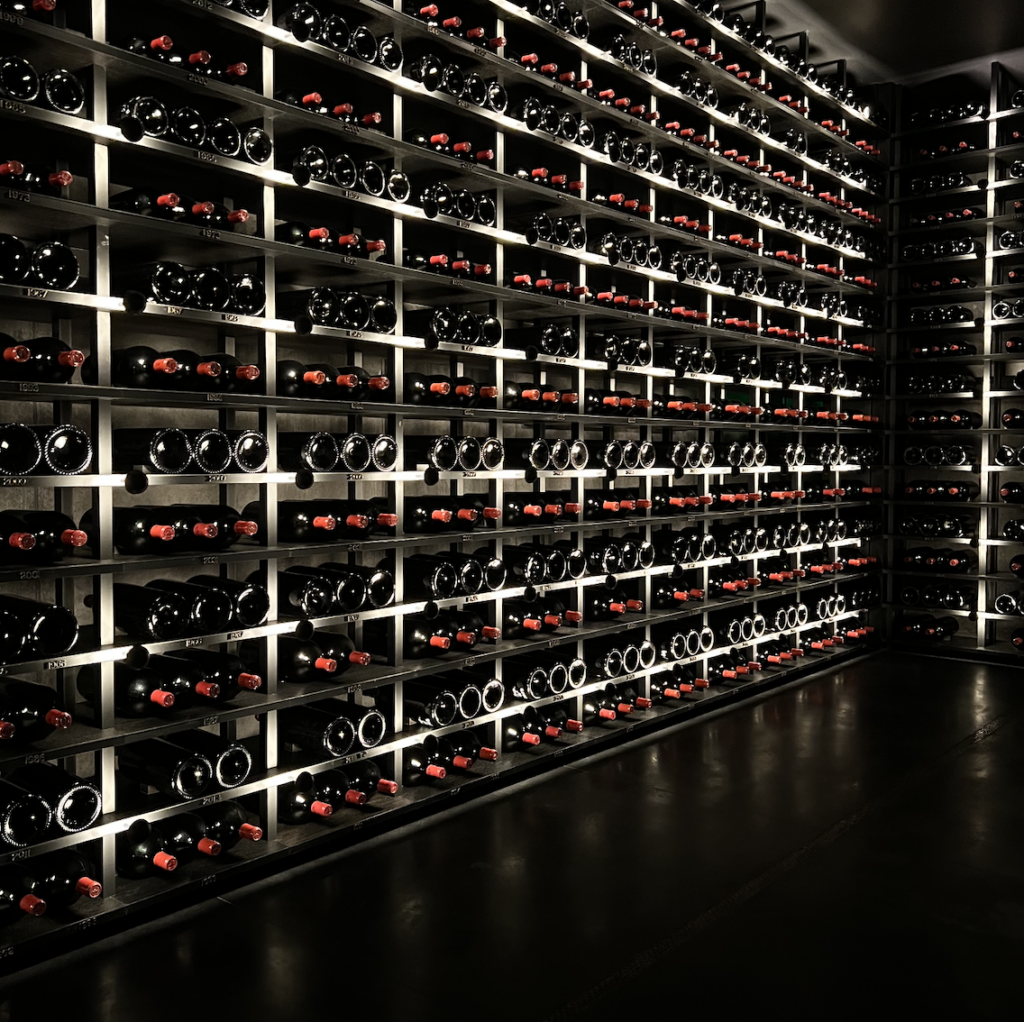
For decades, Latour participated in the Bordeaux en primeur system, offering wines for purchase shortly after harvest. Having stepped away from this model in 2012, the estate has since released its wines six to twelve years after harvest, once they are believed to be entering their first meaningful drinking window. This decision was initially seen as radical, but in many ways it anticipated the broader shifts of consumers towards less patience, and more occasional consumption. By taking on the financing and storage of the first years of a given vintage’s life, the estate achieves two things: greater immediate desirability at the time of release, and an improved consumer experience.
The Quest for Immortality
One of Latour’s primary objectives in leaving the en primeur system was better distribution control. The intention is simple but profound: to control ageingconditions, ensuring that wines reach the market in perfect form, and to therefore slow the narrative of the chateau across time. By releasing later and in smaller volumes, Latour not only lengthens its presence in the world, it also ensures a sustainable and lifted pricing policy. As far as is possible for a consumable product whose final destination is disappeareance, Latour has built its own notion of immortality.
Back to the Future
Granted, such a strategy requires colossal capital, but this long-term approach protects Château Latour from an uncertain future. Increasingly, other estates and industry players seek to replicate the model, offering well-preserved wines as and when they reach their drinking peak.
At 1275, we are building horizontally – across the best wines in the world – the wine library that Château Latour is building vertically. Dare we say so, our beliefs align; that the finest wines deserve the utmost respect, to be stored perfectly until they become not just a moment of enjoyment, but a lasting taste memory, for us now, and for later generations in the future. This is the continuum: great wines moving forward through time even as the world moves away from the habits that once sustained them.