
We are living in a time where information is constant, immediate, and often heavy. Staying informed, and following events as they unfold is a natural part of our daily routine as we attempt to make sense of an increasingly complex world. In this environment, balance and perspective can easily slip away. So how do we stay aware without becoming overwhelmed?
It is, admittedly, a privileged question, but an important one. Because it leads to something more fundamental: what does true happiness look like today?
What is Happiness?
One way to explore this is by distinguishing between fleeting pleasure and deeper fulfilment. Pleasure is immediate and often solitary – a brief spark, quickly felt and just as quickly gone. It might come from acquiring something new, admiring a beautiful object, or indulging in a personal interest.
Happiness, by contrast, follows a slower, more intricate path. It grows from experience, and from interactions that leave a lasting imprint. What turns a simple moment into something meaningful is not only the moment itself, but the setting in which it unfolds – the people present, the emotions shared, and the memories that remain.
Owning
In many modern pursuits – luxury collecting being a prime example – the object becomes the centre of the chase, as though it alone could deliver joy. Whether it is watches, fine jewellery, or cars, we often attach emotional value to the item, while using others as a mirror for validation. We seek admiration, yet psychology reminds us of the “spotlight effect”: people rarely admire us for what we possess; they simply notice – or sometimes envy – the object.
While the technical mastery and creative expression in timepieces can be deeply captivating, this is also where the paths of watches and wine meaningfully diverge. A watch – no matter how complex or beautifully crafted – is ultimately a lonely object. It can be admired in quiet moments, collected with passion, and handed down through generations, yet its significance remains contained to its own self.
Sharing
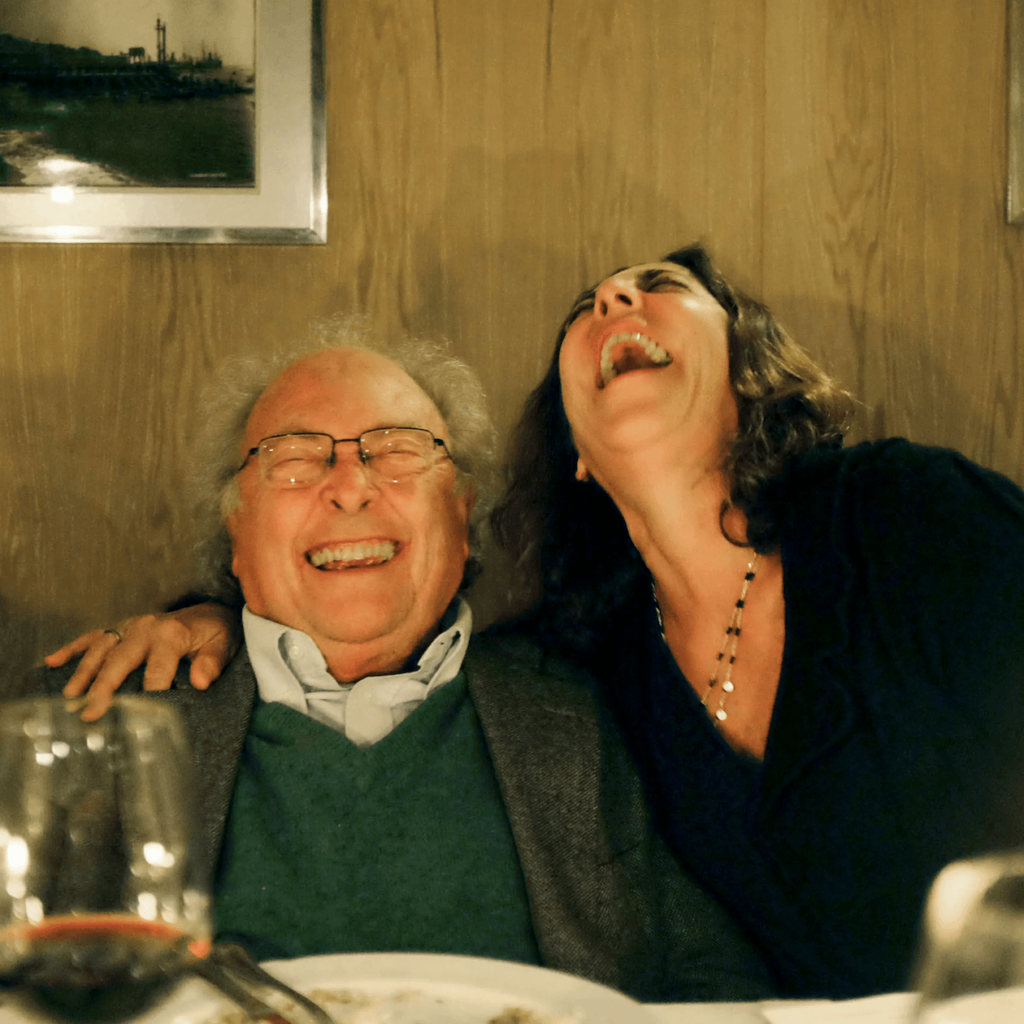
Wine, by contrast, finds its fullest expression through others: it comes alive when shared, discussed, tasted, and experienced collectively. Its happiness is inherently communal, not solitary. The true value of wine can be found around a table, and amongst people. One could argue that much of its appeal lies not only in the liquid itself, but in what it makes possible – conversation, laughter, connection.
In times like these, that dimension becomes not just valuable, but essential. If anything, it is in these shared experiences that we rediscover balance – and perhaps even a form of refuge – in the company of those who matter most.